Introduction
In the world of construction and architecture, roofing is a vital component that often goes overlooked until problems arise. Homeowners and commercial property managers alike frequently find themselves faced with the decision: flat or pitched rooftops? While both styles come with their unique advantages, one thing remains clear— quality matters. From roof installation services to emergency repair needs, understanding the nuances between flat and pitched roofs can significantly impact the longevity and functionality of your structure.
As you delve deeper into this comprehensive guide, you'll discover why quality plays a crucial role in selecting between flat and pitched rooftops. We will explore various dimensions such as materials, installation techniques, maintenance needs, and even the financial implications involved in roofing decisions.
Why Quality Matters When it Comes to Flat vs Pitched Rooftops
When discussing roofs, quality can mean the difference between a durable structure and one that demands frequent repairs. Whether you opt for a flat or pitched rooftop, investing in quality materials and skilled craftsmanship is essential for long-term success.
Understanding Flat Rooftops
Flat rooftops are defined by their minimal slope, typically ranging from 1% to 5%. They offer distinct advantages but also come with specific challenges that require attention to detail.
Advantages of Flat Rooftops
Cost-Effective Installation
Flat roofs generally require less material than pitched roofs, leading to lower initial costs in terms of roofing services.
Maximized Usable Space
The flat surface allows for easy installation of HVAC units or solar panels, making it ideal for commercial properties or modern homes.
Ease of Maintenance
With no steep angles to navigate, flat roofs are easier for roofing contractors to inspect and maintain.
Challenges Associated with Flat Rooftops
Water Drainage Issues
Poor drainage can lead to water pooling on the roof's surface, increasing the risk for leaks over time.
Limited Lifespan
Depending on materials used (e.g., TPO or EPDM), flat roofs may have shorter lifespans compared to pitched options if not properly maintained.
Weather Vulnerability
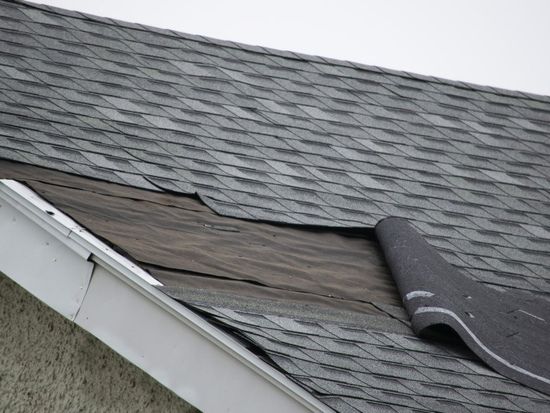
Flat rooftops are more susceptible to storm damage since they lack the sloped design that helps shed rain and snow effectively.
Understanding Pitched Rooftops
Pitched rooftops feature a notable slope and come in various designs such as gable, hip, or mansard styles. These designs offer not only aesthetic appeal but also functional benefits.
Advantages of Pitched Rooftops
Efficient Water Drainage
The angle allows rainwater and snow to slide off easily, reducing the likelihood of water accumulation issues.
Extended Lifespan
Pitched roofs often last longer due to their ability to shed elements effectively—especially when constructed with high-quality materials like metal or traditional shingles.
Aesthetic Appeal

Challenges Associated with Pitched Rooftops
Higher Initial Costs
The complexity involved in installing pitched roofs can lead to higher labor costs among licensed roofing contractors.
Difficult Access for Maintenance
Steeper angles can make inspections more challenging and may require specialized equipment or services for maintenance tasks.
Potential Structural Issues
If poorly designed or executed, pitched rooftops may lead to structural complications over time—especially if proper support isn’t provided during installation.
Quality Materials Make All the Difference
In both scenarios—flat or pitched—the importance of high-quality materials cannot be overstated. Choosing subpar options can result in premature wear and tear that manifests as leaks, cracks, or even structural failure down the line.
Comparing Materials for Flat Roofs
- TPO (Thermoplastic Olefin): Known for its energy efficiency but requires proper installation. EPDM (Ethylene Propylene Diene Monomer): Durable yet prone to punctures if not carefully handled. Modified Bitumen: Offers excellent waterproofing but may need specialized skills for application.
Comparing Materials for Pitched Roofs
- Asphalt Shingles: Affordable but less durable than other premium options. Metal Roofing: Long-lasting with excellent weather resistance but higher upfront costs. Tile Roofing: Highly durable; however, it's heavy and may require reinforcement during installation.
The Role of Licensed Roofing Contractors in Quality Assurance
When undertaking any roofing project—be it installation or repair—hiring certified roofing contractors is critical for ensuring quality workmanship. Here’s how they contribute:
Expertise Matters
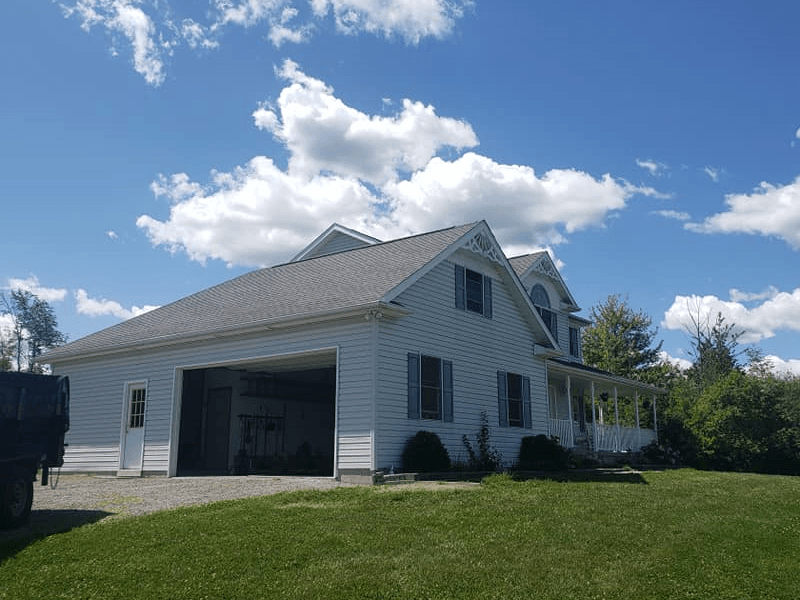
Licensed roofing contractors bring years of training and experience that translate into higher quality work compared to DIY approaches roofing contractors or unlicensed operators.
Access to Quality Materials
Many certified professionals have established relationships with suppliers which enables them access high-grade materials at competitive roofers prices—a benefit passed on to clients looking for robust solutions like roof leak detection services or emergency roof repair services.
Regulatory Compliance
Professional contractors understand local building codes and regulations ensuring that your roof meets safety standards while avoiding potential legal issues down the road associated with improper installations done by unqualified personnel.
Emergency Roofing Services: When Quality is Non-Negotiable
Roofing emergencies can strike without warning—from storm damage roof repair needs after severe weather events like hailstorms or wind damage—to discovering an unexpected leak during heavy rainfall conditions requiring immediate attention through emergency roof leak repair services.
Why You Shouldn't Compromise on Quality During Emergencies
During such urgent situations where you're seeking quick fixes through temporary roof repairs instead of lasting solutions—the temptation may arise to opt for cheaper options without considering long-term implications! This could lead you back into costly repair cycles sooner than anticipated!
FAQ Section
1. What are the pros and cons of flat vs pitched roofs?
Flat roofs offer cost-effectiveness but face drainage challenges; conversely, pitched roofs excel in aesthetics & water shedding yet carry higher initial expenses!
2. How do I choose between flat & pitched roofing?
Consider your budget constraints alongside desired aesthetics while factoring in local climate conditions! Consulting licensed roofing contractors will provide tailored insights based on your specific situation!
3. What types of materials are best suited for each style?
For flats—TPO & EPDM stand out; whereas asphalt shingles shine among pitches—but metal tiles remain incredibly popular across both categories!
4. Can I install my own roof?
While DIY projects may seem tempting—professional help ensures compliance with codes & warranties! Licensed experts guarantee quality workmanship fewer headaches later on!
5. How often should I schedule roof inspections?
Plan regular inspections at least once per year—or after significant weather events—to catch potential issues early before they escalate into costly repairs!
6. What’s included in a typical roof repair estimate?
Estimates generally outline labor costs alongside material pricing along with timelines required based upon scope! Always seek multiple quotes from reputable companies before deciding which contractor best meets your needs!
Conclusion
In conclusion, whether you choose a flat rooftop or a pitched one hinges largely on personal preference intertwined with practical considerations surrounding quality—and let’s not forget about cost implications tied within those choices too! By prioritizing high-quality materials coupled alongside skilled installation practices provided by licensed roofing contractors—you’ll set yourself up well towards achieving long-term durability while minimizing future hassles related involving extensive repairs down-the-line!
Ultimately remember this mantra: investing wisely today equates directly towards peace-of-mind tomorrow regarding all facets involving overall homeownership responsibilities—including maintaining an effective shelter overhead through proper care given towards selecting appropriate roofing systems tailored specifically catering individual needs/preferences alike!